The Power of Imperfection: How to Use Wabi-Sabi for a More Creative Home
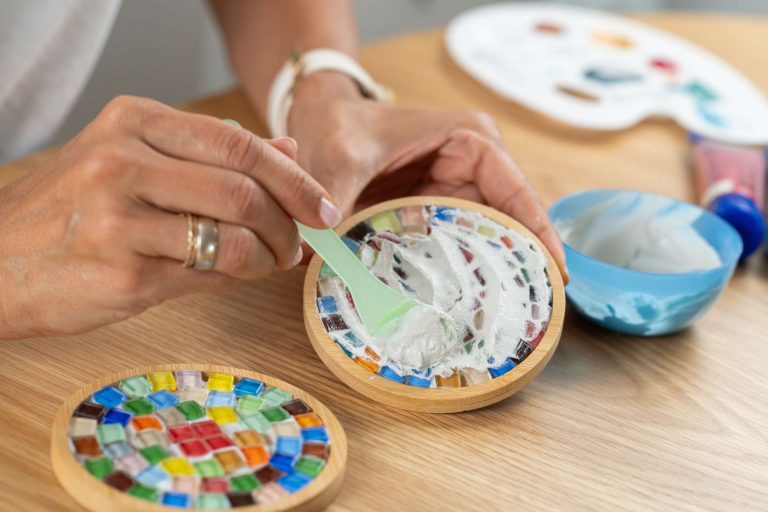
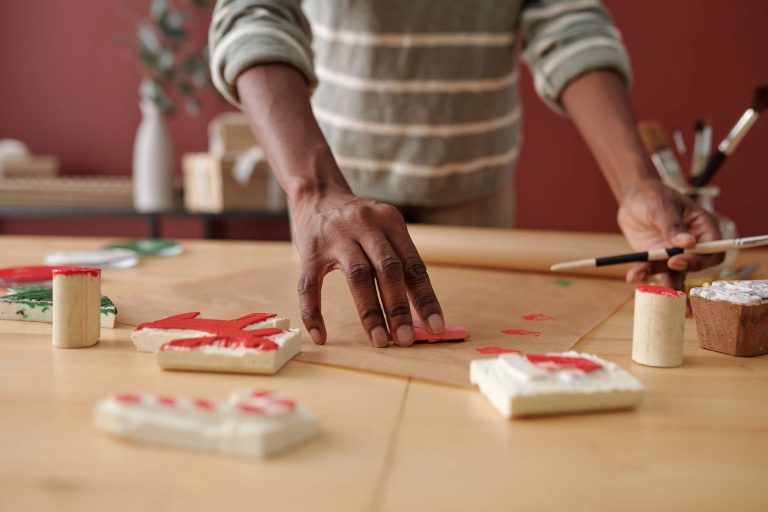
There’s a kind of liberation in embracing the fact that handmade is imperfect. This idea of valuing the impermanent, imperfection, and incompleteness is taken from the Japanese philosophy of wabi-sabi, but it’s a great mindset to bring to making for your home. It means that a piece of wood can have knots in it, that a piece of fabric can have a crease, that something can bear the marks of the tools and hands that made it. Rather than trying to erase them, these imperfections become part of the piece’s beauty, and give your home a subtle, lived-in beauty that is often missing in something perfectly made.
This attitude permeates the act of creation as well. The first wobbly stitch, the off-kilter seam, the accidental dye change are not imperfections, but genuine marks of the artisan. As one gains experience working with a medium, it becomes clear that it’s important to listen to its properties, its heft, its inherent direction rather than your designs. This connection between person and material sharpens one’s perception and endurance, so that instead of being annoyed, one is curious and even pleased. The artifacts themselves seem somehow kinder, more worthy of handling, studying and loving than their soulless counterparts.
But wabi-sabi objects, like wabi-sabi moments, are not static. A beautiful crack spreads slowly across a hand-thrown tea bowl; a patch of fabric frays and unravels on a worn linen tablecloth. The patina on a leather strap deepens, and a well-loved wooden stool develops a wobble. The passage of time is marked not by damage but by growth and patina, like lines forming on a person’s face. To cherish objects like these, or moments like these, is to approach life with a reverence that appreciates beauty in the slowly unfolding present. With each passing day, life feels less rushed, less about preserving the pristine.
It promotes a better detachment from ownership, too. If a product is appreciated for its essence, rather than its novelty, you don’t feel the need to supersede it so often. A well-crafted item stays in your house for decades, and you only endear it more as it gathers tiny scratches. In a way, that’s a sustainable philosophy: buy less, repair more, and pick items made with durable materials. Your house is a shrine of modest self-control, where each object can truly develop into a treasure.
Accepting imperfection allows the maker to take the most important things of all from these things: to learn a kinder, softer way to be. The house stops needing to demonstrate its value in its perfect form and instead becomes a trusted and self-revelatory partner in life. The applied art for the home of wabi-sabi offers its highest value of being for comfort, reflection and a celebration of the delicate, imperfect, beauty of human life.